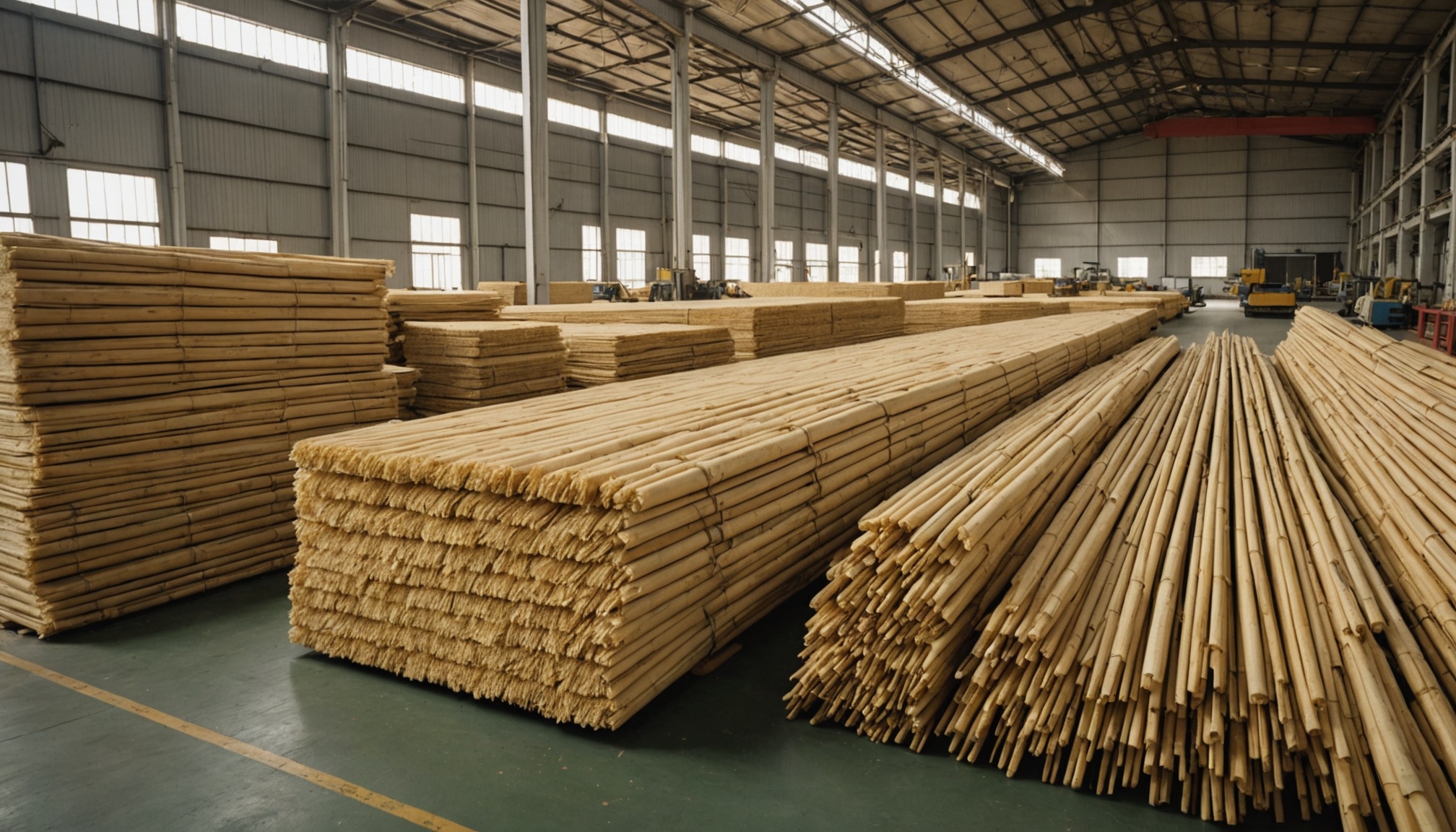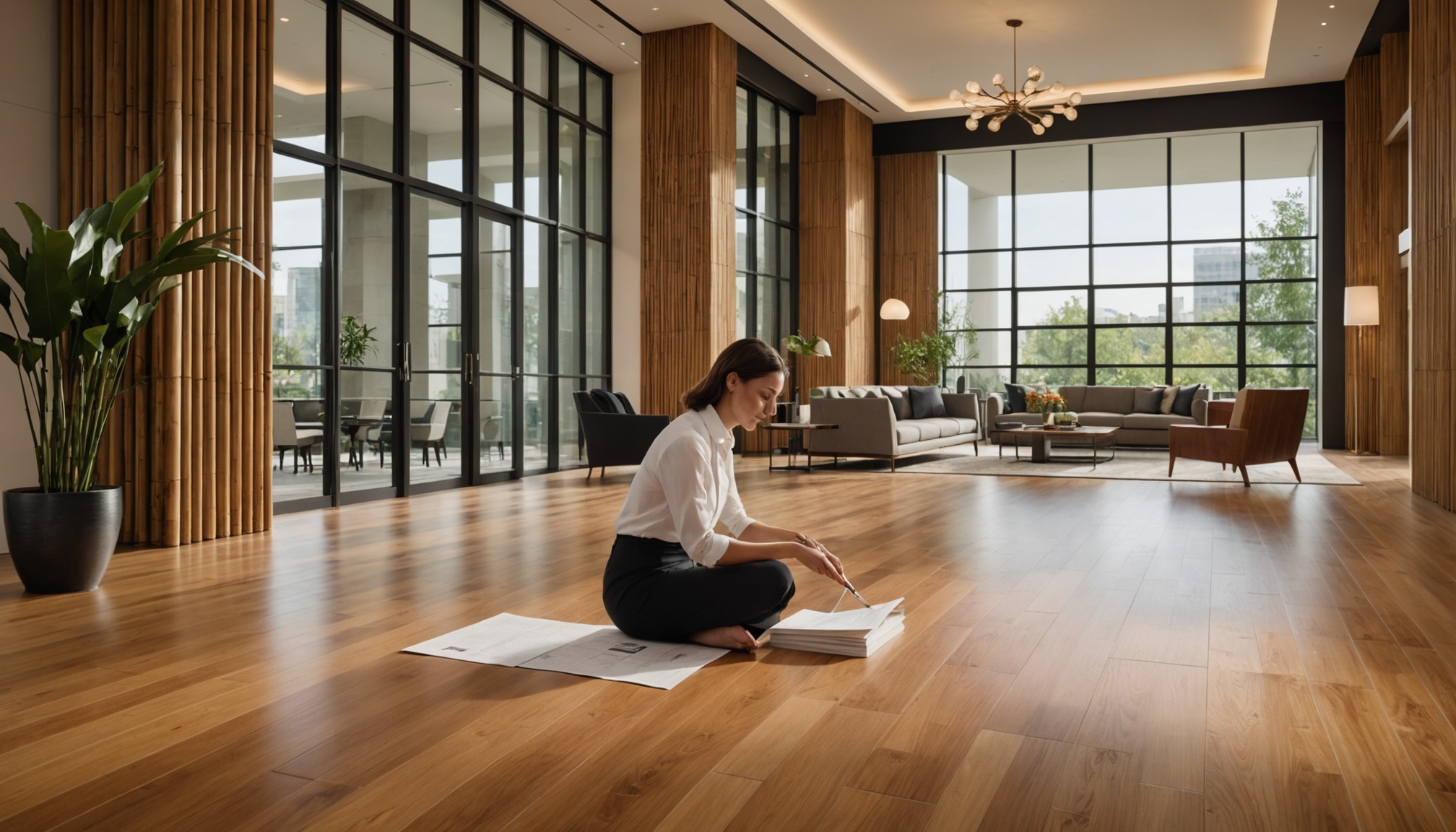

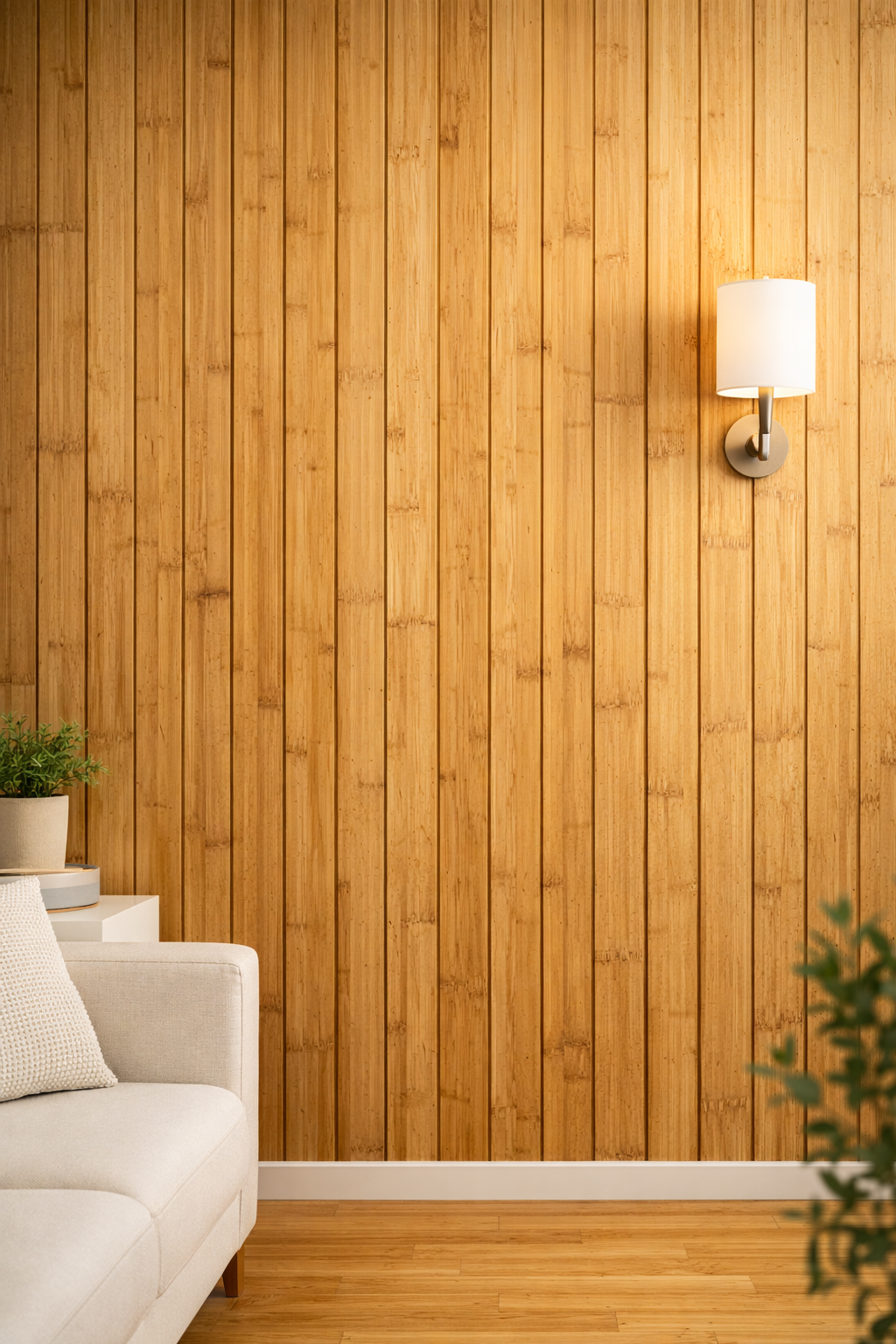
For most of the last century, plywood was the unquestioned workhorse of commercial interior fit-outs. Affordable, workable, and widely available, it became the default substrate for everything from retail joinery to hotel room furniture. But across Southeast Asia's fastest-growing design markets — Singapore, the Philippines, Malaysia — a shift is quietly underway. Engineered bamboo is moving from niche sustainability choice to serious specification material.
The reasons are more practical than ideological.
The performance case
Bamboo's reputation in commercial interiors has historically been limited to decorative applications — feature walls, flooring accents, hospitality screens. What's changed is the engineering. Modern engineered bamboo boards, manufactured through high-pressure lamination processes, deliver mechanical performance figures that put them on par with — and in some cases ahead of — commercial plywood grades.
Independent ASTM D1037 testing of NUMAT engineered bamboo boards recorded a Modulus of Rupture (MOR) range of 22.77 to 69.44 MPa, compared to typical commercial plywood references of 30 to 60 MPa. Surface hardness figures of 3,918 to 7,377 Newtons significantly exceed typical plywood — relevant for any application where surface wear matters, from retail countertops to high-traffic wall paneling.
For architects specifying materials for commercial projects, these are figures that can be submitted to clients and quantity surveyors with confidence.
The sustainability case - with numbers
Specifying sustainable materials is no longer a differentiator; it is increasingly a client requirement. Green building certifications including LEED, WELL, and Singapore's Green Mark all reward low-embodied-carbon material choices.
Engineered bamboo from Dendrocalamus asper — the species used in NUMAT boards — sequesters approximately 17 to 20 tonnes of CO₂ per hectare per year in Philippine plantation conditions, with a total carbon stock of around 234 tonnes of carbon per hectare. Carbon locked into the bamboo during growth remains stored within the product for its working lifetime. By contrast, plywood manufacturing is a net emitter, releasing approximately 1.2 tonnes of CO₂ per cubic meter during production.
For projects pursuing green certification points, this distinction is material — literally and commercially.
Workability on site
One practical concern architects and fit-out contractors raise is workability. Bamboo has a reputation, in its raw culm form, for being difficult to cut, join, and finish to fine tolerances. Engineered bamboo boards eliminate this concern. They cut, route, drill, and laminate using standard woodworking equipment. Edge profiles, rebates, and mitres behave predictably. Finish adhesion with standard primers and lacquers is consistent.
For cabinetry, wall paneling, ceiling systems, and custom joinery, this means engineered bamboo can slot into existing fabrication workflows without retraining or retooling.
What to specify
For commercial fit-out applications, the key specification decisions are thickness, core type, and surface finish. Thicker boards in the 18–25mm range are appropriate for cabinetry carcasses, shelving, and structural joinery. Thinner panels work well for wall cladding and decorative applications. Most engineered bamboo boards are available with natural or carbonized surface finishes, giving specifiers a warm honey tone or a deeper tobacco brown respectively.
MOQ requirements for commercial quantities are typically manageable — NUMAT boards are available from 10 boards, with export-ready supply to Singapore, Malaysia, Australia, and the wider region.
As sustainability requirements tighten and the design community's appetite for honest, natural materials continues to grow, engineered bamboo is no longer the alternative choice. For a growing number of commercial fit-out specifications, it is becoming the logical first one.